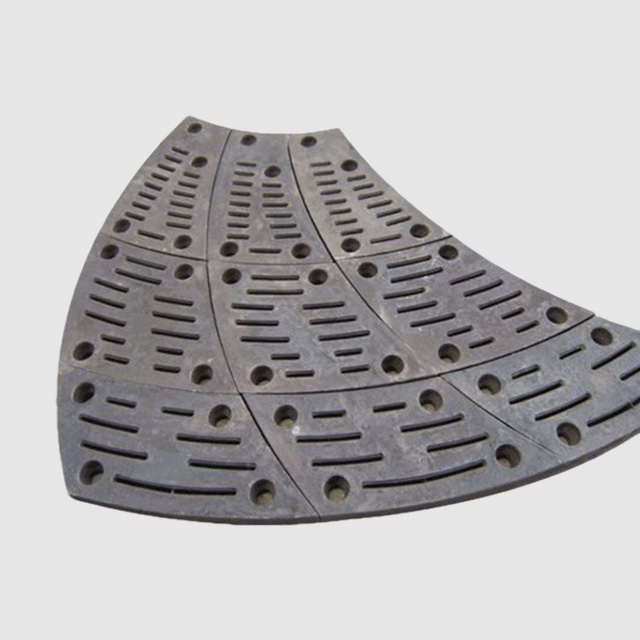
Views: 0 Author: Site Editor Publish Time: 2026-11-10 Origin: Site
In mineral processing and cement manufacturing, the grinding mill serves as the vital heartbeat of any production circuit. Achieving optimal throughput and energy efficiency remains a constant, high-stakes challenge for plant managers and engineers alike. While the installed motor capacity sets the theoretical power limit of the equipment, the actual energy consumption is heavily influenced by the internal environment of the cylinder. Most notably, this involves the complex, ongoing interaction between the grinding media, the ore charge, and the mill liners.
The specific geometry and physical condition of your internal wear parts dictate exactly how the internal charge is lifted, cascaded, and impacted during rotation. A mismatched or severely degraded profile can lead to excessive energy consumption. Furthermore, it accelerates shell damage and drastically reduces milling efficiency. This guide explores the critical relationship between internal geometry, charge dynamics, and energy utilization. The insights provided here will help operators make informed, data-driven decisions for optimizing their grinding operations.
Energy Transfer Mechanism: The geometric profile determines the trajectory of the grinding media, dictating whether the charge cataracts or cascades. This motion directly correlates to the mechanical work performed and the electrical power consumed by the motor.
The Wear Factor: As profiles degrade over time, the lifting angle changes. This often leads to charge slippage, a measurable drop in power draw, and a subsequent decrease in overall grinding performance.
Material Selection Matters: Choosing the appropriate metallurgy is essential for maintaining the profile integrity required for sustained power efficiency.
Customization is Strategic: Utilizing precision-engineered components to match specific ore hardness and ball charge dynamics ensures optimal energy utilization. Relying on generic, off-the-shelf components often leaves efficiency on the table.
Look inside any operating grinding circuit. The internal profile acts as the primary governor of energy consumption. Why does this happen? It comes down to basic physics. Power draw is inextricably linked to the torque required to rotate the massive steel cylinder. This torque depends on two main factors. First is the total mass of the internal charge. Second is the horizontal distance of its center of gravity from the central axis of rotation.
When lifters possess a distinct, high-profile geometry, they effectively grip the charge through mechanical interlock and friction. This robust engagement lifts the grinding media higher up the ascending side of the shell before gravity finally causes it to tumble. By elevating the charge to this elevated shoulder position, the center of gravity shifts further away from the central axis. This shift necessitates significantly more torque, which translates directly to higher electrical power draw. Conversely, a low-profile design allows the charge to slump much earlier. This minimizes horizontal displacement and lowers the torque demand. While this might appear to save electricity on the control screen, it almost always results in inefficient, lazy grinding.
The internal motion of the grinding media generally falls into two distinct regimes. These are cascading and cataracting. The height, face angle, and spacing of the lifter bars are the primary variables that force the charge into one specific motion over the other.
Cascading motion occurs when media rolls smoothly down the surface of the charge bed. This action is highly effective for fine grinding through attrition. In this regime, lower profiles and shallower face angles encourage a smooth, rolling action. In contrast, cataracting motion occurs when the media is lifted high enough to be thrown entirely clear of the charge bed. The media then violently impacts the toe of the charge at the bottom. This high-impact energy is absolutely essential for breaking large, hard ores. To achieve reliable cataracting, the internal components must feature steep, aggressive face angles.
When the profile is incorrect for the rotational speed or ore type, slippage occurs. The charge simply slides against the steel shell. This slippage wastes immense amounts of electrical energy by converting it into useless heat and acoustic noise. Specifically, it also causes rapid, localized wear on the internal components. Modern operators now seek to precisely control these motion regimes to maximize the hits-per-revolution ratio, squeezing every ounce of efficiency out of the circuit.
As equipment operates day in and day out, continuous abrasion and heavy impact inevitably alter the original sharp geometry. The most significant degradation is the reduction in lifter height combined with the rounding of the face angle. This degradation severely compromises the ability to mechanically interlock with the heavy charge.
As the profile wears down, the shoulder position drops lower in the rotation. This shifts the center of mass back toward the central axis, causing a gradual and highly deceptive decrease in power draw. Lower electricity consumption might initially appear beneficial to a plant manager. However, it is actually a hallmark of lost productivity. The equipment is simply performing less useful grinding work. Plant metallurgists must accurately identify the tipping point where the cumulative loss of metal production revenue outweighs the cost of scheduling a shutdown for a new set of wear parts. Proactive condition monitoring is now standard practice in top-tier facilities aiming to avoid the massive costs of unplanned downtime.
Recent industry analyses highlight a critical shift in global mineral processing strategies. As average ore grades continue to decline worldwide, processing plants are forced to handle significantly higher tonnages just to maintain their baseline metal production targets. This harsh reality places unprecedented strain on grinding circuits, which already account for the largest portion of total site energy consumption.
Consequently, the industry is witnessing a strong, undeniable trend toward precision-engineered internal profiles. Operators can no longer afford the inefficiencies of generic wear parts. Instead, the focus has shifted heavily toward maximizing energy transfer efficiency. Optimizing the internal trajectory is now widely viewed as the most cost-effective method to combat rising electricity prices and meet increasingly stringent environmental and sustainability mandates.
While the physical shape dictates initial performance, the metallurgical composition determines the actual longevity of that shape in the field. Selecting the correct material is a delicate balancing act. Engineers must weigh hardness to resist abrasive wear against toughness to prevent brittle failure under heavy impact.
For environments requiring extreme impact resistance, high manganese steel liners remain a reliable industry staple. This specific material excels by work-hardening upon impact, making it highly suitable for large Semi-Autogenous grinding mills. However, in applications where severe sliding abrasion dominates, operators must look to more advanced alloys. Utilizing chrome molybdenum alloy mill liners provides excellent hardness, typically ranging from HRC 45 to 55, offering a superior balance of wear resistance and structural toughness.
For the ultimate in profile retention, titanium carbide composite mill liners represent the cutting edge of wear technology. By embedding ultra-hard titanium carbide particles directly into a tough steel matrix, these advanced materials ensure that the lifter bars remain sharp and highly effective throughout the entire campaign. This completely prevents the premature drop in power draw that plagues traditional, softer materials.
To assist engineers in making data-driven decisions, the following core comparison table outlines the standard parameters and ideal applications for these critical materials.
Material Type | Typical Hardness | Impact Toughness | Best Application Scenario |
|---|---|---|---|
High Manganese Steel | Work-hardens under impact | Excellent | Large Semi-Autogenous mills with massive ball drops and high impact forces. |
Chrome Molybdenum Alloy | HRC 45 - 55 | Good | Standard ball mills requiring a reliable balance of abrasion resistance and toughness. |
Titanium Carbide Composite | Matrix + Ultra-hard TiC inserts | Very Good | Severe abrasion zones requiring maximum profile retention and consistent power draw. |
The heavy industry is rapidly moving away from generic, one-size-fits-all solutions. Plant engineers now recognize that every single grinding circuit possesses entirely unique variables. Investing in custom mill liners is a highly strategic engineering decision. These specific parts are engineered from the ground up to solve site-specific bottlenecks by perfectly optimizing the trajectory of the charge.
Design engineers now utilize sophisticated Computational Fluid Dynamics and Discrete Element Method simulations to model charge motion before any manufacturing even begins. By inputting site-specific data including cylinder diameter, rotational speed, ball size, and ore hardness, designers can fine-tune the lifter height and spacing. This precise customization ensures that impact energy is directed exactly at the toe of the charge. It protects the outer steel shell and ensures that electrical power is consumed by actual particle breakage rather than useless internal friction.
Monitoring the electrical power draw is one of the most effective ways to diagnose internal mechanical issues long before they turn into catastrophic failures. Frontline operators should maintain a strict, proactive checklist.
Track the main motor amperage closely on a daily basis. A steady, unexplained drop in power draw, assuming feed rates remain constant, is an immediate red flag for severe lifter wear.
Conduct regular internal visual inspections during planned shutdowns.
Perform routine ultrasonic thickness measurements to track metal loss rates accurately.
Correlate power draw fluctuations with specific tonnage throughput data. This helps identify exactly when grinding efficiency dips below the economic threshold.
There is no universal timeline for replacement. The lifespan depends entirely on the abrasiveness of the specific ore, the rotational speed of the equipment, and the exact metallurgy of the installed components. We highly recommend tracking power draw data alongside regular ultrasonic thickness measurements. This combined data will help you accurately identify the point of diminishing returns.
These advanced composites provide superior localized hardness that far exceeds traditional manganese or standard alloy steels. The embedded titanium carbide significantly reduces the rate of abrasive metal loss. This allows the component to maintain its critical lifting angle and shape much longer, ensuring a highly consistent power draw throughout the entire operating cycle.
Absolutely. By optimizing the geometric profile to better lift and drop the grinding media, you can significantly increase the effective impact energy for hard ores. Alternatively, you can improve the attrition energy for finer grinding tasks. This optimization leads directly to higher throughput without requiring a massively expensive upgrade to a larger electric motor.
While the upfront engineering and manufacturing costs for custom designs are typically higher, the long-term return on investment is substantial. Customization leads directly to increased equipment availability, far more efficient energy consumption, and significantly reduced downtime for unplanned maintenance. Ultimately, this effectively lowers the total cost of ownership for the plant.
Rotational speed and lifting angle are deeply interconnected. The critical speed of the cylinder dictates the centrifugal force applied to the charge. If a mill runs at a high percentage of its critical speed, a very steep lifting angle might throw the media directly against the bare steel shell, causing severe damage. Conversely, at slower speeds, a steeper angle is required to achieve the necessary cataracting motion. The profile must be perfectly matched to the operational speed.
Larger grinding balls represent a heavier individual mass, which requires a more robust and aggressive lifter profile to elevate them effectively without slippage. If the profile is too low for large media, the balls will simply slide, dropping the power draw and failing to break the ore. When transitioning to larger media to handle harder ores, the internal geometry must be upgraded simultaneously to maintain efficient power draw and impact force.
Understanding the intricate relationship between your internal wear parts and your motor's power draw is the first step toward true operational excellence. Do not let degraded profiles or mismatched metallurgy drain your plant's profitability through wasted electricity and poor throughput. Whether you need the extreme impact resistance of manganese steel, the balanced durability of chrome molybdenum alloys, or the ultimate profile retention of titanium carbide composites, selecting the right engineered solution is critical. Evaluate your current charge dynamics, review your power draw trends, and upgrade your internal components to match your specific production goals. For advanced metallurgical solutions and precision-engineered profiles tailored to your exact circuit, explore the comprehensive range of products at Jinqiao Casting to secure your plant's efficiency.